Golf cart battery maintenance: the monthly routine
A flooded set that gets twenty minutes of attention a month lasts about twice as long as one that does not. This is the twenty minutes: water, terminals, cables, an equalize charge, and what to do before the cart sits for the winter.
We pick from published specs, maker instructions and what owners report. We may earn a commission from links on this page; it never changes what we recommend. How we choose
The short answer
Once a month, after a full charge, top each cell up with distilled water to about a quarter inch below the fill well, clean any crust off the terminals with baking soda and water, check that every cable lug is tight and bright, and run an equalize charge if your charger offers one. That routine is the difference between three years and six from a flooded set.
- Once a month, after a full charge, top each cell up with distilled water, never tap water.
- Clean terminal crust with baking soda and water, tighten lugs to about 8 foot-pounds, then coat them.
- Equalize a flooded set about monthly, but never equalize an AGM or lithium battery.
- Owners who keep the routine report five to seven years from a Trojan set; those who skip it get two to three.
Before you start
- Time
- 20 to 30 minutes a month
- Difficulty
- Easy
- Tools
- 7 items
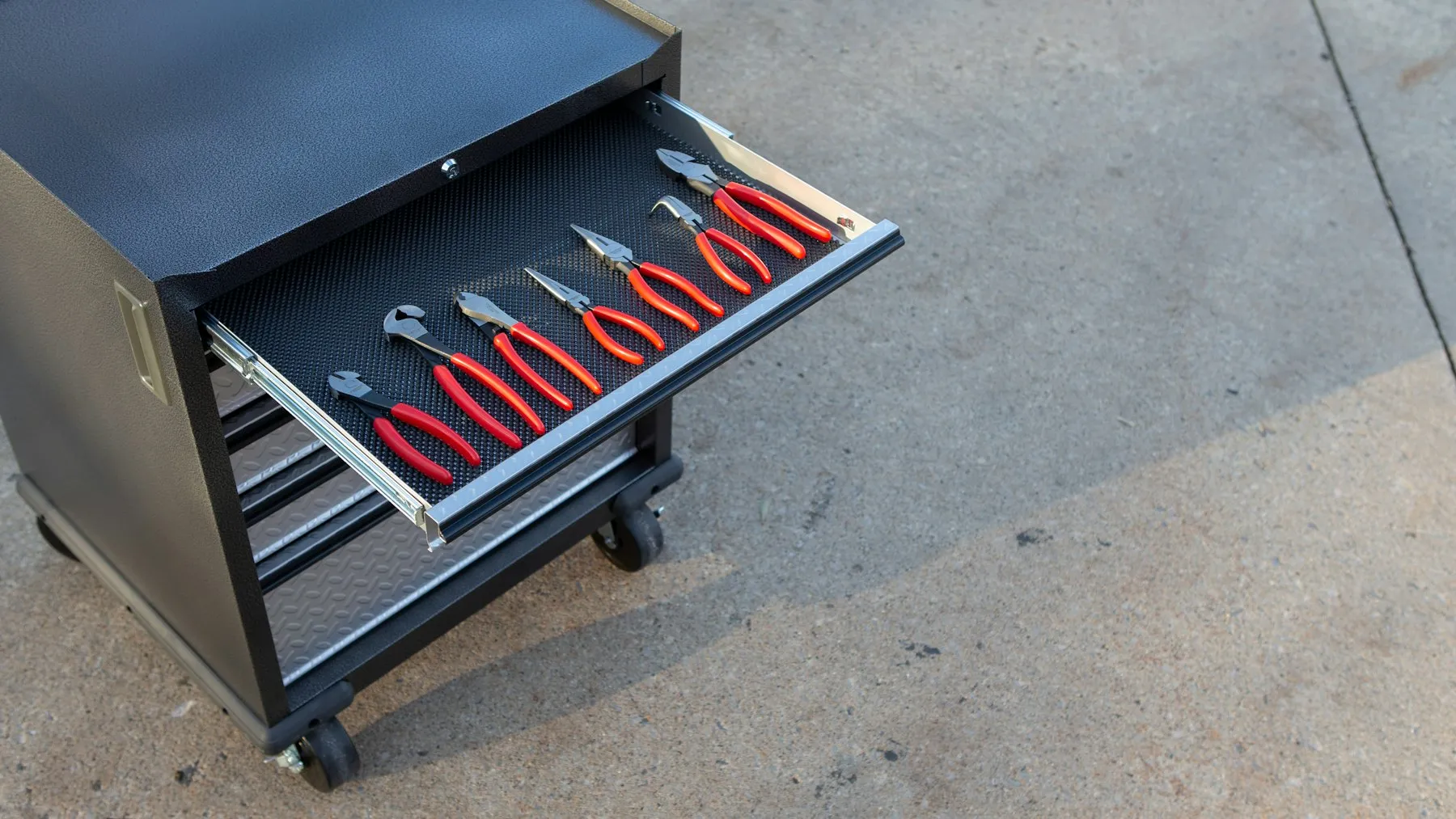
Tools you'll need
- Safety glasses and nitrile gloves
- Distilled water, about a gallon a month for six batteries in summer
- Funnel with a long spout, or a battery watering gun
- Baking soda and an old paintbrush
- Brass terminal brush
- 1/2-inch wrench
- Hydrometer or digital multimeter
Parts
- Battery terminal protector spray
- Felt anti-corrosion washers
Our picks at a glance
Prices are estimates as of Oct 17, 2026
- 1Saves the most timeSingle-point battery watering kit (Flow-Rite or Pro-Fill style)Flooded 6V, 8V and 12V golf cart batteries; buy the kit for your battery count and case sizeabout$80–$180
- 2Stops the crustBattery terminal protector sprayEvery battery terminal, flooded or AGMabout$8–$15
- 3Tells you the truthBattery hydrometerFlooded batteries only; no use on AGM or lithiumabout$10–$30
The picks in detail
1.Single-point battery watering kit (Flow-Rite or Pro-Fill style)
Replaces the caps on six or eight batteries with valved caps linked by tubing; fills every cell to the right level from one hose
Fits: Flooded 6V, 8V and 12V golf cart batteries; buy the kit for your battery count and case size
At Amazon. We may earn a commission.
Pros
- Waters the whole set in two minutes
- Fills each cell to the right level
Cons
- Must match your battery count and case
Why we picked it
Watering 18 to 32 cells by hand with a funnel is the chore that makes people skip the month, and skipping the month is what kills sets. The kit turns it into two minutes with a hose or a squeeze bulb and fills each cell to exactly the right level, so you cannot overfill either. Trojan sells its own version as HydroLink; the aftermarket kits do the same job for less.
Before you buy: Order by battery count and case type. A six-8V kit does not fit an eight-6V Yamaha.
2.Battery terminal protector spray
Aerosol coating for terminals and lugs; one can lasts years
Fits: Every battery terminal, flooded or AGM
At Amazon. We may earn a commission.
Pros
- Keeps crust off for six months or more
- One can lasts years
Cons
- Insulates, so spray only after tightening
Why we picked it
The white and green crust on terminals is acid mist meeting bare lead and copper. A coat of protector after cleaning keeps the two apart for six months or more. It is the cheapest thing on this page and the one that keeps the cables from going green inside.
Before you buy: Spray after the connection is tight, not before. The coating is an insulator.
3.Battery hydrometer
Glass float type; reads specific gravity 1.100 to 1.300
Fits: Flooded batteries only; no use on AGM or lithium
At Amazon. We may earn a commission.
Pros
- Reads the state of every cell
- Catches a failing cell a year early
Cons
- Flooded batteries only
Why we picked it
A multimeter tells you the voltage of a battery; a hydrometer tells you the state of each cell inside it, which is what actually decides whether the set is healthy. Ten dollars and two minutes a month catch a failing cell a year before it strands you. It also tells you whether the equalize charge worked.
Before you buy: Draw and return the acid to the same cell; do not mix cells. Rinse the hydrometer in distilled water when you are done.
Golf cart battery maintenance for a flooded set is one short routine done once a month: charge, water, clean, check, equalize. Owners who do it report five to seven years from a Trojan set and four to five from a budget set. Owners who do not report two to three from either, which is why the routine is worth more than the brand.
Within the golf cart batteries guide, this is the upkeep page. If the set is already past four years and starting to fade, the battery calculator will tell you whether a new flooded set or a lithium pack is the cheaper next ten years, and the testing page finds a weak battery before you buy anything.
1. Charge first, then lift the seat
Water goes in after a full charge, not before, because electrolyte expands as the battery fills and a cell topped up flat will overflow onto the tray during the next charge. The one exception is a cell whose plates are showing: add just enough distilled water to cover them, charge, then fill to the line.
Charge, let the charger finish, unplug it, and leave the cart an hour. Then put on glasses and gloves, lift the seat, and set a Club Car or RXV to Tow before you touch anything.
2. Water every cell, distilled only
Pull the caps and look into each cell with a flashlight. The right level is about a quarter inch below the bottom of the fill well, the plastic tube that hangs down from the cap opening, and always above the top of the plates. A six-battery set has 18 to 24 cells; an eight-6V Yamaha set has 24. Fill each one with a long-spout funnel or a watering gun, which shuts off at the right level.
Distilled or deionized water only. The minerals in tap water, well water and bottled spring water settle on the plates and cost you capacity for the life of the set. In July a hard-used six-battery set drinks about a gallon a month; in January it may take almost nothing. A cell that takes far more than its neighbors is overcharging or cracked and wants a hydrometer check.
Do not overfill. A full cell pushes acid out of the vent during charging, which is where the mess on the tray and the crust on the terminals come from, and a battery that has lost acid cannot be fixed by adding water.
If you would rather not do this by hand, the watering kit in the picks links all the caps with tubing and fills the whole set from one point in two minutes. For most owners it is the one purchase that keeps the routine from being skipped.
3. Clean the terminals with baking soda
Mix a tablespoon of baking soda into a cup of water. With the caps on and tight, brush the solution over any crust on the posts and lugs. It fizzes as it neutralizes the acid; let it stop, then rinse with a little clean water and dry with a rag. Do not let the solution run into a cell.
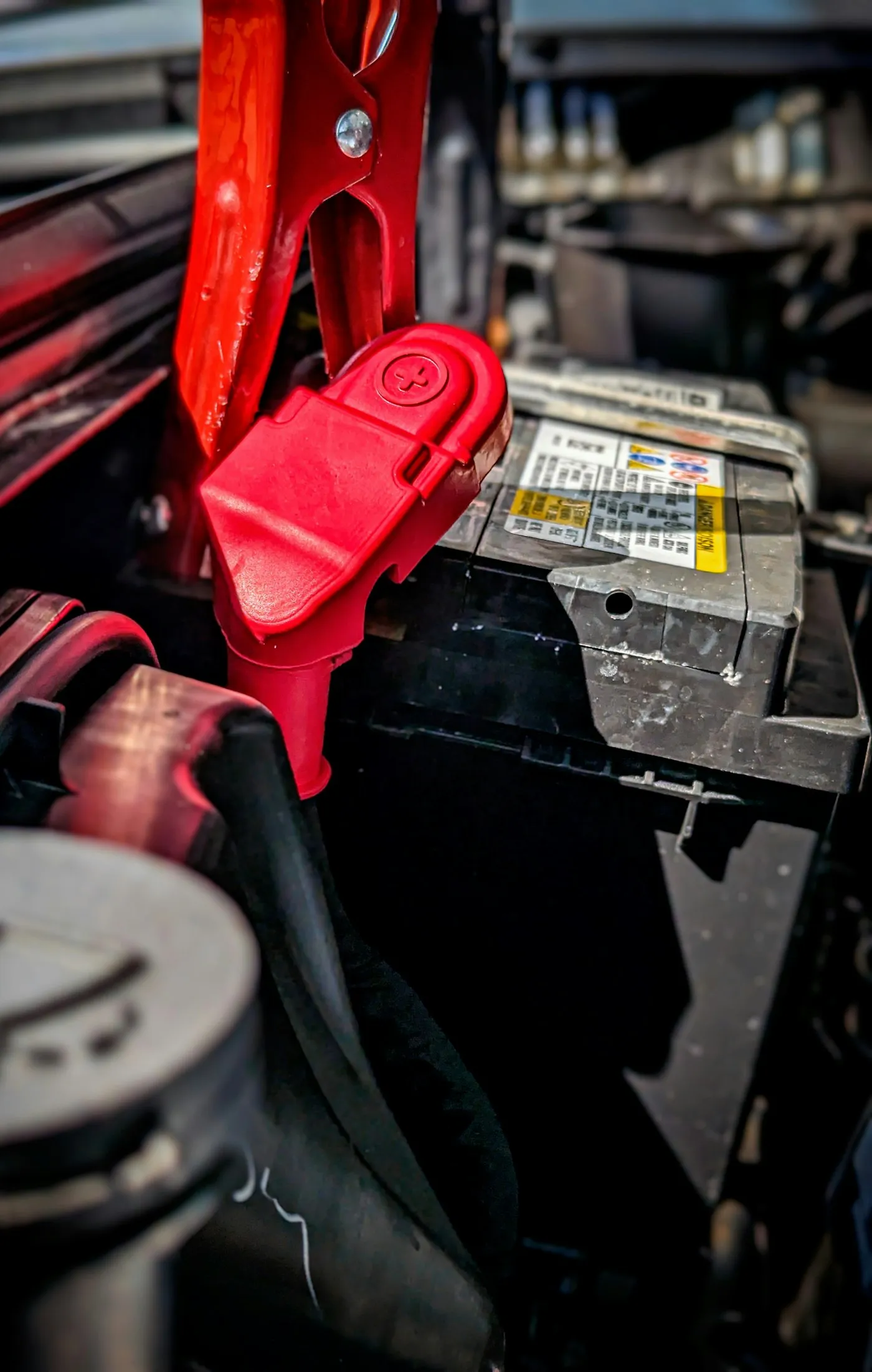
Where a lug is heavily crusted, pull it, brush the post and the lug face with a brass brush until both are bright, refit and torque to about 8 foot-pounds, Trojan’s spec. Add a felt anti-corrosion washer under the lug if you have them. Then coat the finished connection with terminal protector spray.
Rinse the tops of the batteries too. A film of acid and dust across a battery top conducts a little current between the posts and drains the set slowly between drives.
4. Check every cable
Run a hand along each cable. It should be flexible its whole length; a stiff section near a lug means corrosion has crept up inside the insulation. Look for cracked insulation, green at the lug and any lug that turns on its post. Tighten what is loose. Replace what is green or stiff, in a set rather than singly; the battery cables page has gauge and lengths by make and the 48 volt diagram shows where each one goes.
After a drive with a hill in it, feel each lug. A warm one is a bad connection and will keep eating voltage until it is fixed.
5. Equalize once a month
Equalizing is a deliberate, gentle overcharge that stirs the electrolyte and strips the early sulfate that normal charging leaves behind. On a 48V flooded set it means holding the pack two to three volts above the normal finish voltage for a few hours. Trojan recommends it about monthly, or whenever a hydrometer shows more than 0.030 difference between cells in a battery.
Most modern chargers do it for you: the Lester Summit II runs an equalize cycle on a schedule, and many others have an equalize button or do a small one at the end of every charge. If yours does not, a shop can do it, or a charger with the mode is on the charger guide. Never equalize an AGM or lithium battery; both are damaged by the voltage.
Water the batteries after an equalize, not before, and expect them to drink more than usual.
6. Read the hydrometer
With the set charged and rested, draw acid from one cell into the hydrometer until the float lifts, and read where the acid meets the scale. A healthy charged cell reads 1.265 to 1.280. Do all the cells in one battery, then the rest. Write the numbers on a card and keep it in the glove box.
What the numbers tell you. All cells near 1.270 is a healthy set. One battery whose cells all read low is sulfated and may recover with an equalize. One cell reading more than 0.030 below the others in the same battery is shorted or badly sulfated and will not recover; that battery is on its way out and the testing page has the load test that settles it.
7. Before the cart sits: winter and long storage
Charge to full, water, clean the terminals and run an equalize if the charger has one. Then set the Tow/Run switch to Tow, or pull the main negative cable, so the controller and any accessories cannot drain the pack. Store the cart somewhere dry. A charged flooded battery is safe to well below zero; a discharged one freezes around 20°F and splits.
Recharge every 30 to 60 days, or leave it on a charger with a true float or maintenance mode. Do not leave an old timer-style charger connected for the winter; it will boil the set dry. In spring, water, charge, and check with the hydrometer before the first drive. The charging page has the times.
AGM sets skip the water and the equalize but want the same terminal check and the same storage charge. Lithium wants its terminals clean, a 50 to 60 percent charge for storage, and nothing else.
When to stop and call a shop
A battery with a bulged or cracked case, a cell that will not hold water, a post that moves in the case, or a smell of rotten eggs during charging is finished and may be dangerous. Set the switch to Tow, leave the seat up and have it removed. Acid on skin is a cold water rinse for 15 minutes; acid in an eye is the same rinse and a doctor. If the whole set is past four years and two or more batteries read low on the hydrometer, stop maintaining and start pricing; the cost page and the fitment pages for Club Car, EZGO and Yamaha are the next stops.
Questions owners ask
How often should I add water to golf cart batteries?
Check monthly, and more often in summer or if the cart is used every day. A six-battery set uses about a gallon a month in hot weather and much less in winter. If a cell is dry enough to expose the plates between checks, check every two weeks.
Can I use tap water in golf cart batteries?
Do not. Minerals in tap water settle on the plates and reduce capacity, and chlorine attacks them. Distilled water from the grocery store costs about a dollar a gallon. Deionized water is fine too.
What is an equalize charge and do I need one?
A controlled overcharge, usually two to three volts above the normal finish voltage on a 48V set, held for a few hours. It stirs the electrolyte so acid does not settle at the bottom of the cell and knocks early sulfate off the plates. Trojan recommends one about monthly on flooded sets, or whenever the hydrometer shows a spread of more than 0.030 between cells. Never equalize AGM or lithium.
Why is there white or green crust on the terminals?
Acid mist from charging reacts with the lead post and the copper lug. White is lead sulfate, green is copper sulfate. Clean it off with a baking soda paste and a brush, rinse, dry, tighten and coat. If it comes back within weeks, that battery is gassing more than its neighbors and is worth a hydrometer check.
Does a lithium golf cart battery need maintenance?
Almost none. Keep the terminals clean and tight, keep the pack above about 20 percent, and store it at 50 to 60 percent if the cart sits for months. There is no water, no equalizing and no sulfation. The app, if the pack has one, shows cell balance.

Not sure it fits your cart?
Pick your make, model and year. We'll tell you the voltage and which parts fit.
Keep reading
All batteries guides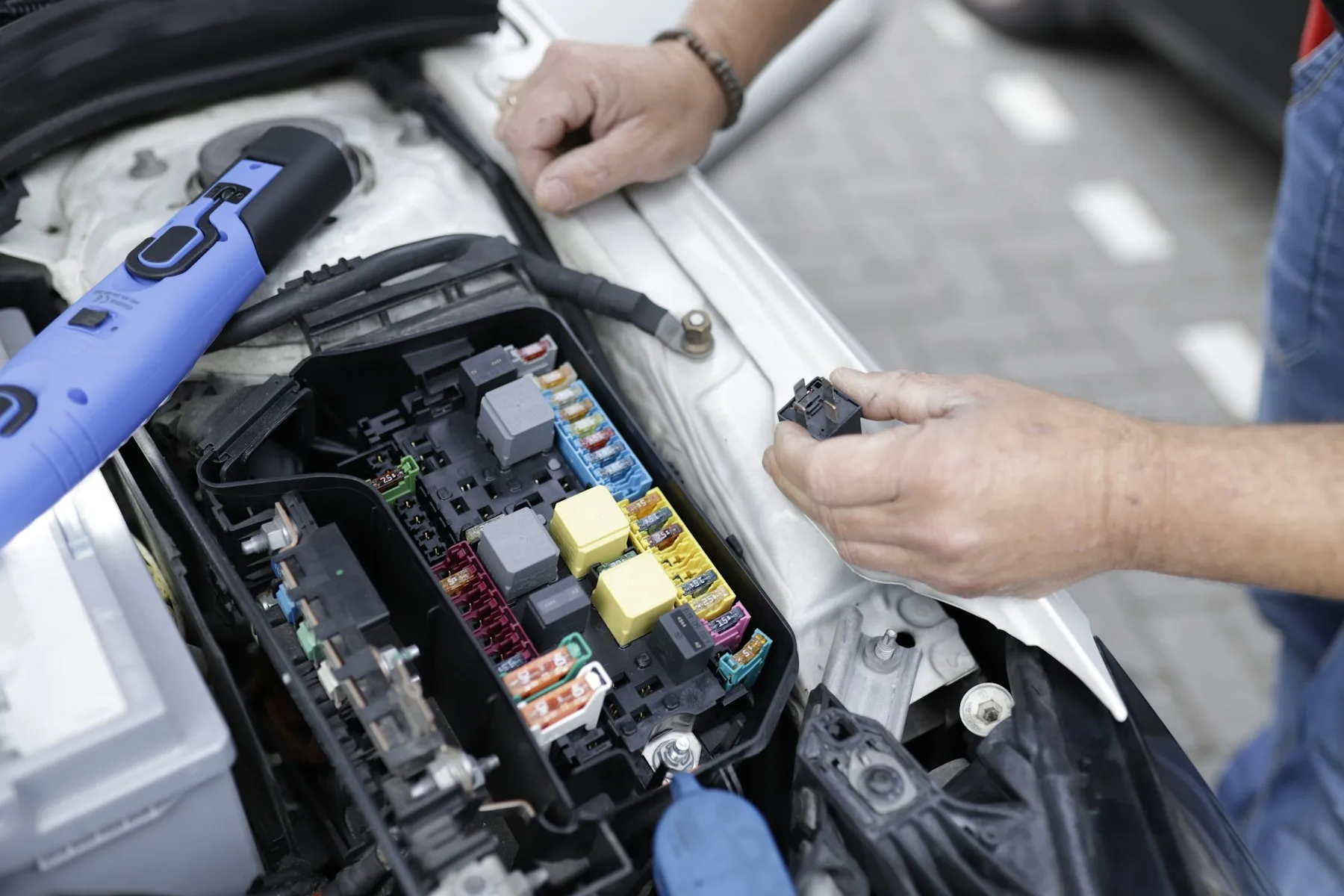
How long does it take to charge a golf cart? Times by pack
A 48V flooded set run down to about half takes 6 to 8 hours on a standard 13-amp charger, and 10 to 12 hours from near empty; a 36V set on an 18 to 21-amp charger is similar. A 48V 105Ah lithium pack charges from empty in about 5 to 7 hours on its own 15 to 18-amp charger. Charge after every use, not when the gauge says to.
How-toUpdated Nov 5, 2026
How to test golf cart batteries: multimeter, hydrometer, load test
Charge the pack fully, let it rest an hour, then read each battery with a multimeter: a 6V should show about 6.3V, an 8V about 8.4V, a 12V about 12.7V. A battery more than 0.3V below its neighbors is the suspect. Confirm with a hydrometer (flooded) or a load tester before you buy anything.
How-toUpdated Nov 5, 2026

How long do golf cart batteries last? Flooded, AGM and lithium
Flooded lead-acid golf cart batteries last four to six years, AGM three to five, and lithium eight to ten or more, which is how long the makers warranty them. Watering, charging after every use and never running the pack below half are what put a flooded set at the top of that range.
GuideUpdated Nov 5, 2026