Golf cart lights and street-legal kits
Lights are the first thing a cart needs to leave the course, and a street-legal kit is most of the list in one box. Find out what your town requires, buy the kit made for your body style, and solve the 12V power question before you run a single wire.
Updated Nov 5, 2026 Every pick names the carts it fits
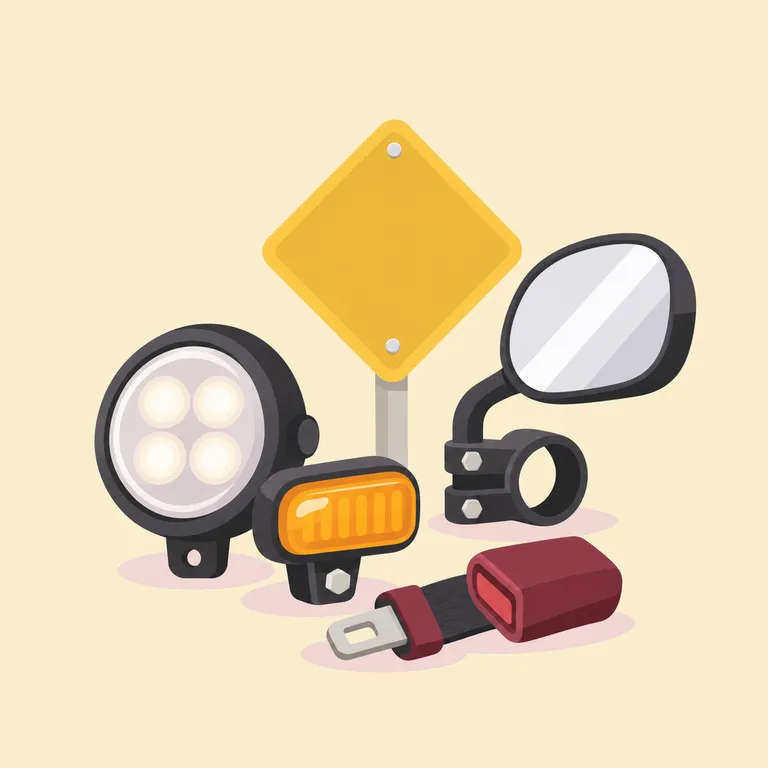
Our top picks in lights & street-legal
The first pick from each buying guide. Open the guide for the alternatives and the reasons.
- Start here
Universal LED street-legal light kit with turn signals and horn
From our guide: How to make a golf cart street legal
Fits: Any cart; headlights mount on a bar under the cowl, taillights surface-mount on the rear body
about$150–$350Details - Best overall for Club Car Precedent
RHOX LED light kit, Club Car Precedent
From our best golf cart light kits guide
Fits: Club Car Precedent 2004 and later, Onward and Tempo on the same cowl; check the listing for 2008.5 and later if yours is a newer body
about$140–$260Details - Best overall
MadJax LED light kit with turn signals, Club Car Precedent
From our best golf cart street legal kits for Club Car, EZGO and Yamaha guide
Fits: Club Car Precedent, Onward and Tempo 2004 and later; a separate MadJax kit covers the DS 1982 to 2013
about$350–$550Details - Best overall
RHOX folding side mirrors, pair
From our best golf cart mirrors guide
Fits: Club Car DS, Precedent and Onward, EZGO TXT and RXV, Yamaha Drive and Drive2 with standard front struts; check the clamp range on a 3/4-inch TXT strut
about$35–$75Details - Best overall
Retractable lap belt kit, 2 belts with universal bracket
From our best golf cart seat belts guide
Fits: Front bench of Club Car DS and Precedent, EZGO TXT and RXV, Yamaha Drive and Drive2; bracket bolts to the seat frame or the frame rail behind the seat
about$35–$80Details - Best overall add-on kit
Universal column-mount turn signal kit with horn button
From our guide: Golf cart turn signal kits
Fits: Any cart with a 12V supply and a steering column of about 1 to 1.25 inches; clamps to Club Car, EZGO and Yamaha columns
about$45–$95Details
Which guide do you need?
Find your situation, then follow the link.
- Making a cart street legal (the overview)Understanding the local-ordinance route versus a titled LSV before spending anything$400–$1,200 in partsRead guide
- Street-legal kitHeadlights, taillights, brake lights, turn signals and a horn in one box, by body style$150–$600Read guide
- Light kit (headlights and taillights only)Seeing at night in a community that does not require signals$100–$300Read guide
- Turn signal kitAdding signals and a brake-light switch to a cart that already has lights$60–$150Read guide
- MirrorsA side mirror on the driver's side plus a rearview or second side mirror$20–$80Read guide
- Seat beltsLap belts at every seat, required for an LSV and sensible on any cart with kids in it$30–$120Read guide
- What an LSV isKnowing whether your cart can be titled as a low-speed vehicle or is staying a golf cartRegistration fees vary by stateRead guide
Price ranges are estimates as of Oct 17, 2026.
How to choose
Most of this section comes down to one piece of homework and one wiring question. The homework is finding out what your city, county or state actually requires, because the list is set locally and no page on the internet can tell you for your street. The wiring question is where 12 volts comes from on a cart whose battery pack is 36 or 48.
Start with the rules where you live
Two different things get called a street-legal golf cart. One is a golf cart, under 20 mph, allowed on certain local roads by a city or county ordinance, with whatever equipment that ordinance names. The other is a low-speed vehicle (LSV), a federal class of vehicle that does 20 to 25 mph, carries a 17-digit VIN and a set list of equipment, and is titled and registered through the state like a car.
Both start with lights, which is why they share a hub. The street-legal guide lays out the two routes, the typical equipment list and what it costs; the LSV page covers what an LSV is and whether a converted cart can become one in your state. Read whichever matches your plan before buying a kit, because the kit you need depends on it.
What a kit includes, and what it does not
A street-legal kit is headlights, taillights with brake lights, turn signals with a column switch and flasher, a brake pedal switch, a wiring harness with a fuse and usually a horn. That covers the lighting line of almost every ordinance and most of the lighting line of the federal LSV standard.
It does not include mirrors, seat belts, reflectors, a windshield, a parking brake or a VIN, and the reducer that makes the lights work on an electric cart is often a separate line on the order. The mirror and seat belt pages cover those two; reflectors are a $15 pack from any auto parts store.
If the cart already has headlights and your town only wants signals added, the turn signal kit page covers the add-on kits. If you only want to see at night and the cart never leaves the community, the light kit guide has basic headlight and taillight kits for about half the price of a full street-legal set.
Powering 12V lights on a 36V or 48V cart
Every light kit sold is 12 volt. A gas cart has a 12V battery under the seat and the kit wires to it. An electric cart does not: its pack is 36 or 48 volts, and there is no 12V supply unless the maker fitted one.
The right answer is a voltage reducer (a DC to DC converter) that takes the full pack voltage and gives 12V out. A 30 amp unit is about $30 to $70 for an import unit or about $85 to $115 for a Reliance from a golf cart parts shop; either mounts near the batteries and runs a full LED kit, a horn and a sound bar with room to spare. Buy the one rated for your pack voltage; a 48V reducer on a 36V cart will not work properly, and most are now sold as 36V to 48V input to avoid the question.
The old answer was to tap two 6V batteries in the pack for 12V. Do not. It drains those two faster than the rest, the pack goes out of balance, and the charger cannot fix it. On a lithium pack it is not possible at all without voiding the warranty, so a lithium cart needs the reducer regardless.
Kits are body-specific
Headlights live in the front cowl and taillights in the rear body, and those parts change with the body style, not the model name. A Club Car DS kit and a Precedent kit are different parts. An EZGO TXT kit comes in a 1996 to 2013 version and a 2014 and later version; RXV kits split at 2016 and share nothing with TXT. Yamaha Drive and Drive2 take different kits, and the older G-series is a third family.
Universal kits avoid this by bolting the headlights to a bar under the cowl and surface-mounting the taillights. They cost less and fit anything, including odd carts and six-seaters, and they look like what they are. The fitment pages for Club Car, EZGO and Yamaha tell you which body you have from the serial plate, and the fitment finder does the same thing faster.
Mirrors, belts and the rest
Mirrors are the cheapest item on any list. A driver’s side mirror and either a rearview or passenger side mirror satisfy the LSV standard and almost every ordinance; a folding set is about $20 to $50. Seat belts are retractable lap belts bolted through the seat frame, about $30 a pair, and required at every seat for an LSV. Neither takes more than an hour.
Reflectors, a horn and a slow-moving vehicle triangle round out the usual ordinance list. The horn is a local or state item, not part of the federal LSV standard, but most deluxe light kits include one. After that it is paperwork, which the street-legal guide covers.
What fits each make
Club Car
Light kits are body-specific. DS (1982 to 2013) kits mount headlights in the flat front cowl and taillights in the rear body; Precedent (2004 on, plus Onward and Tempo) kits drop into the molded headlight recesses in the rounded cowl and do not interchange with DS. Electric DS and Precedent are 48V (36V on a DS before 1995) with no 12V supply, so budget for a voltage reducer. Gas Club Cars have a 12V battery and run lights straight from it.
EZGO
TXT kits are split at the 2014 body restyle: a 1996 to 2013 kit will not fit a 2014 or later TXT. RXV kits are split the same way at 2016. TXT and RXV kits do not interchange. Electric TXT is 36V to 2009 and 48V from 2010; RXV is 48V; all of them need a reducer for 12V lights. Lithium RXV and Liberty carts must take 12V from a reducer on the full pack, never from a tap on the battery.
Yamaha
Drive (G29, 2007 to 2016) and Drive2 (2017 on) have different front cowls and take different kits. G14 through G22 (1995 to 2007) share a kit family of their own. Electric Yamahas are 36V (G14, G16) or 48V (G19, G22, Drive, Drive2) and need a reducer; gas Yamahas have 12V on board. Yamaha harnesses tend to come with the cart-side connector, which saves splicing.
Questions owners ask
Can I run 12V golf cart lights on a 48V cart?
Yes, through a voltage reducer that takes the full 36V or 48V pack down to 12V. A 30 amp reducer is about $30 to $70 for an import unit, or $85 to $115 for a Reliance from a golf cart parts shop, and runs an LED light kit, horn and a small stereo. The old method of tapping two 6V batteries for 12V unbalances the pack and shortens its life; do not do it, and never do it on lithium.
Are LED light kits better than halogen?
For a cart, yes. LEDs draw a third of the current, so a smaller reducer works and a lithium cart loses less range. They also survive vibration that burns out halogen filaments. The only argument for halogen is price, and the gap is now about $40 a kit.
Does a light kit make my golf cart street legal?
Not by itself. Lights are the biggest item on the list, but most local ordinances also want mirrors, a horn and reflectors, and the federal LSV standard adds seat belts, a windshield, a parking brake and a 17-digit VIN, with states adding their own items such as DOT-rated tires. The street-legal guide walks through the whole list and which parts of it are set locally.
Do I need turn signals on a golf cart?
On a titled LSV, yes, under the federal standard. On a golf cart driven under a local ordinance it depends on the ordinance; some towns require them and some only require hand signals. If the cart ever leaves the neighborhood, buy a kit that includes them, because adding signals later costs more than having them in the first kit.
Every lights & street-legal guide
Best picks (5)
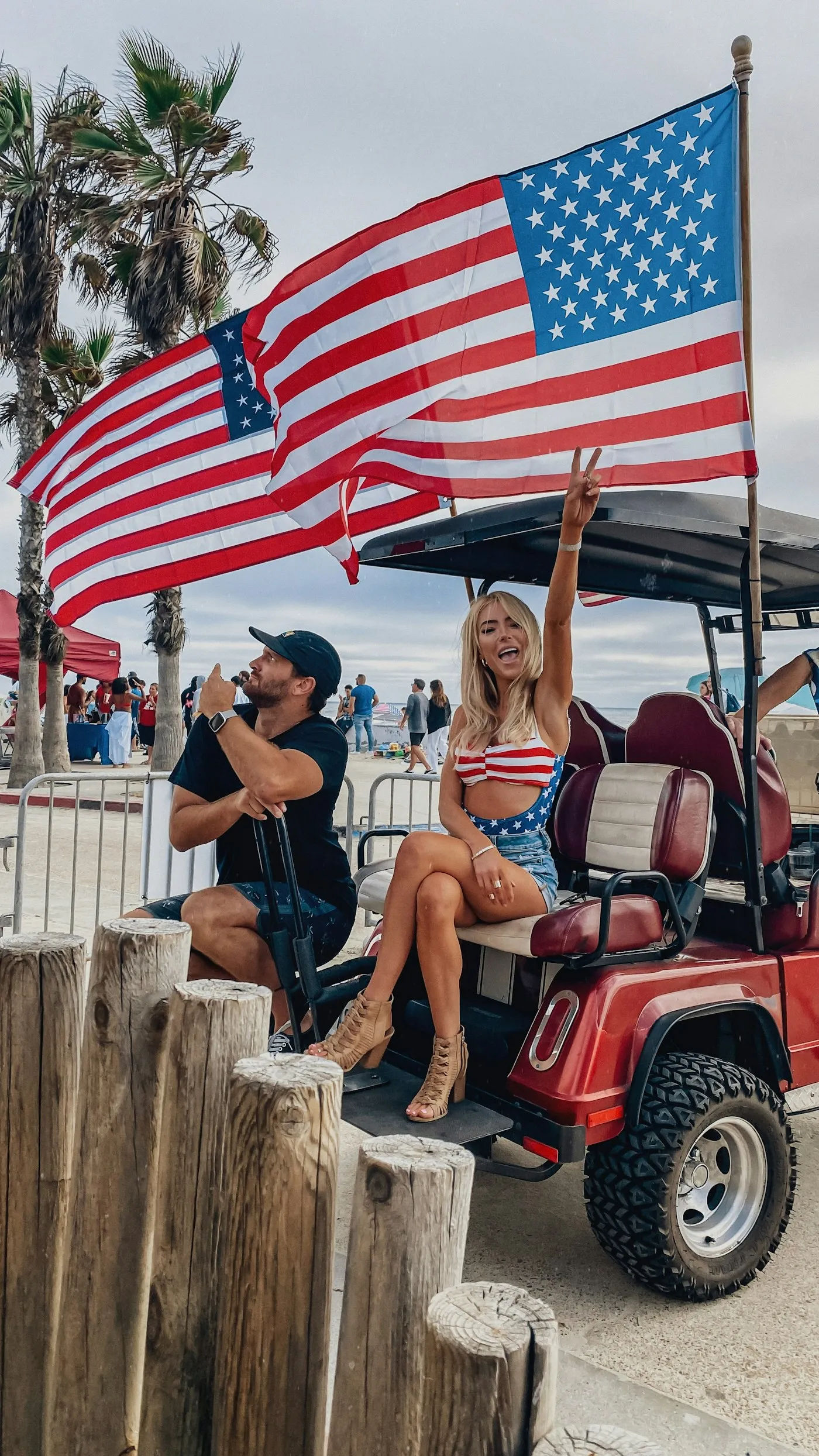
Best golf cart light kits: LED kits by make, with prices
A light kit is the first thing most carts get once they leave the course, and the right one bolts into the holes the factory already stamped in the cowl. These are the kits by make, plus the one part the listings tend to forget.
Best picks · 8 picksUpdated Nov 5, 2026
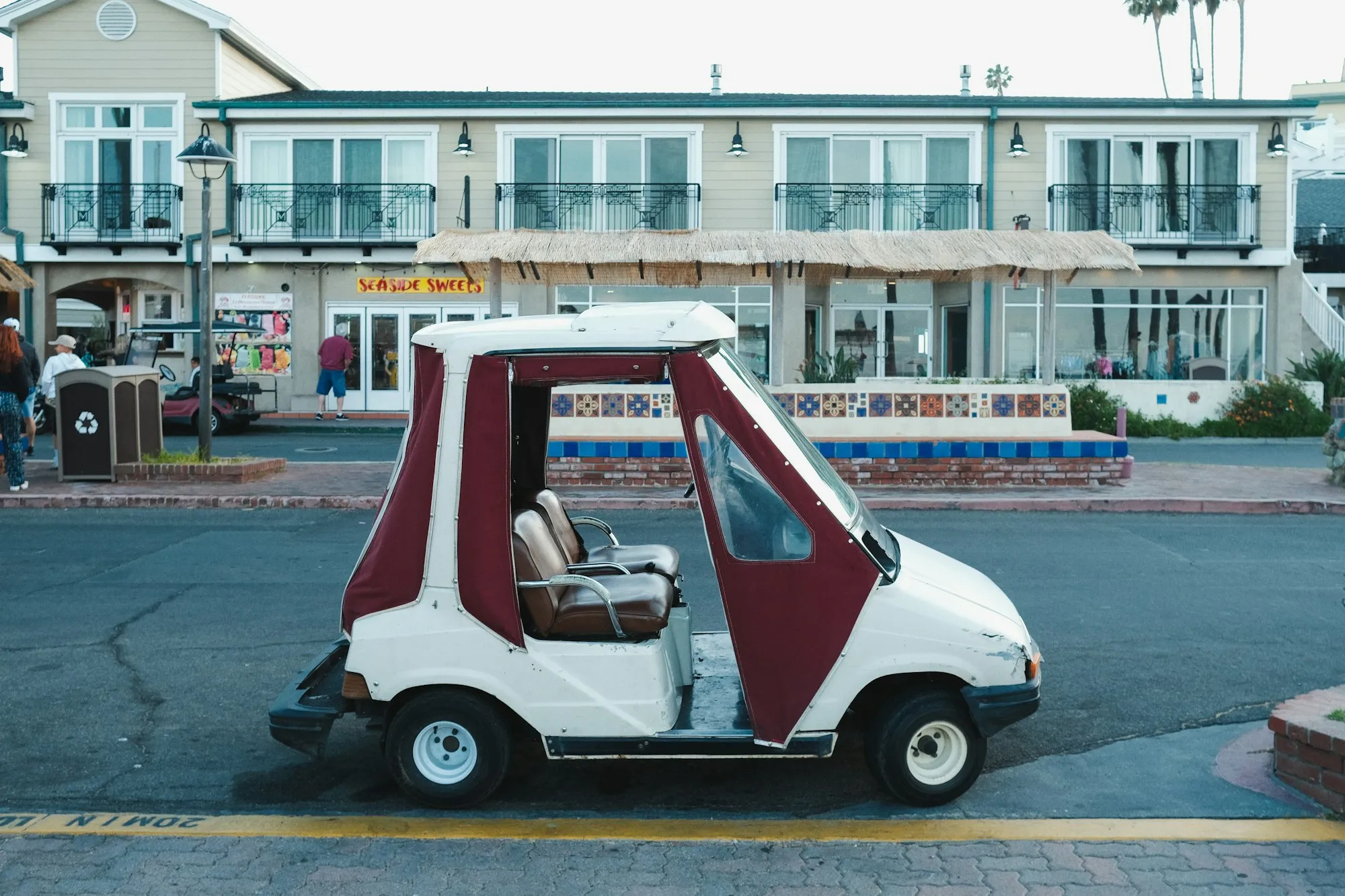
Best golf cart street legal kits for Club Car, EZGO and Yamaha
A street legal kit is the lights, signals, brake switch and horn in one box, made for your body style. It covers the lighting line of almost any ordinance; it does not cover mirrors, belts, reflectors or the title. These are the kits that fit cleanly and what you still need after them.
Best picks · 5 picksUpdated Nov 5, 2026
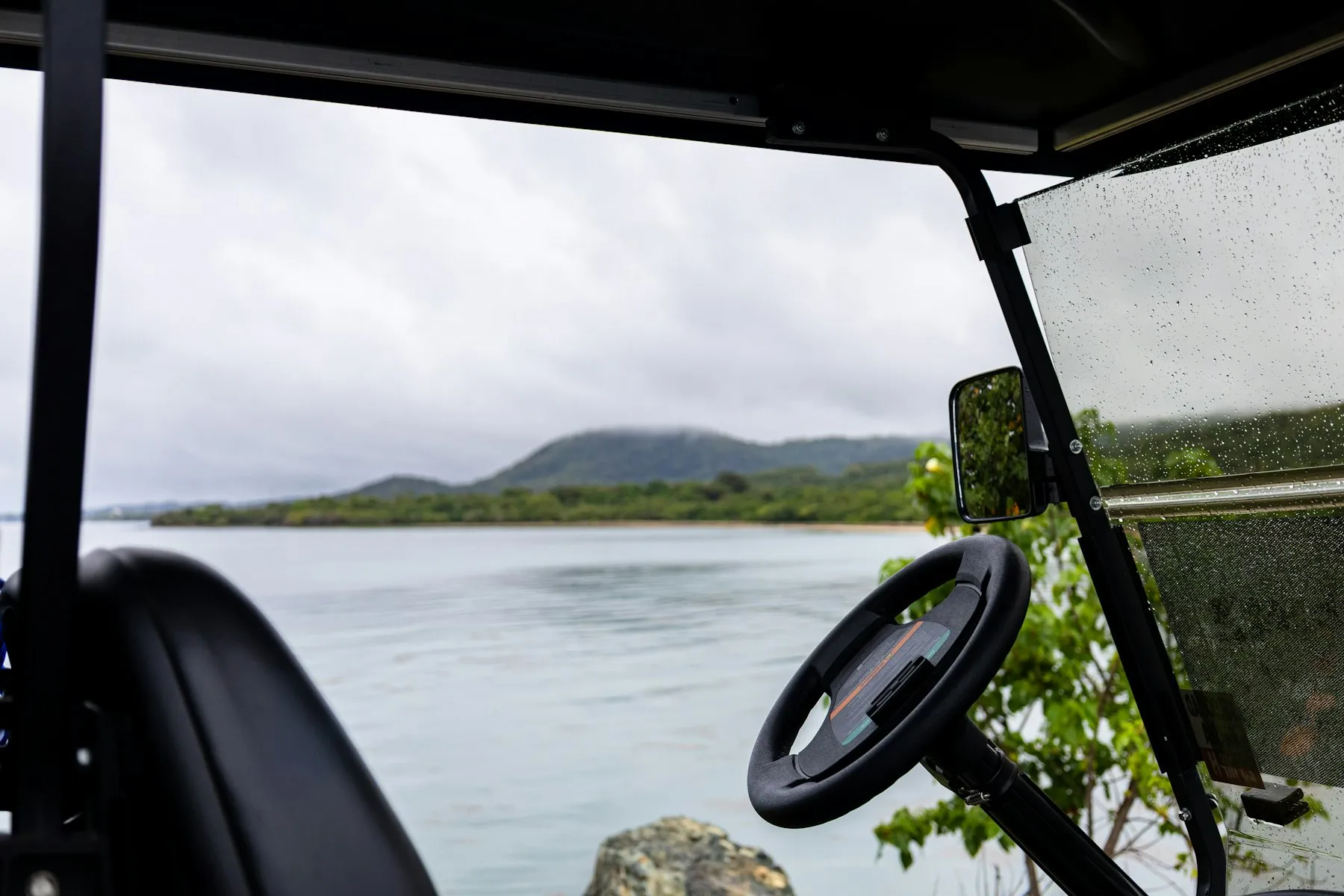
Best golf cart mirrors: folding side mirrors and 5-panel rearviews
A cart has no rear window and the roof blocks what a car mirror would show, so the first time you back out of a cart garage onto a path you understand why mirrors come up. These are the ones that fit, by strut size, and what the rules ask for.
Best picks · 5 picksUpdated Nov 5, 2026

Best golf cart seat belts: retractable, lap and rear-seat kits
Seat belts are on nearly every street-legal list and on the federal LSV rule, and they are the one item that has to bolt to steel, not fiberglass. These are the kits that do it properly, by seat and by make.
Best picks · 5 picksUpdated Nov 5, 2026
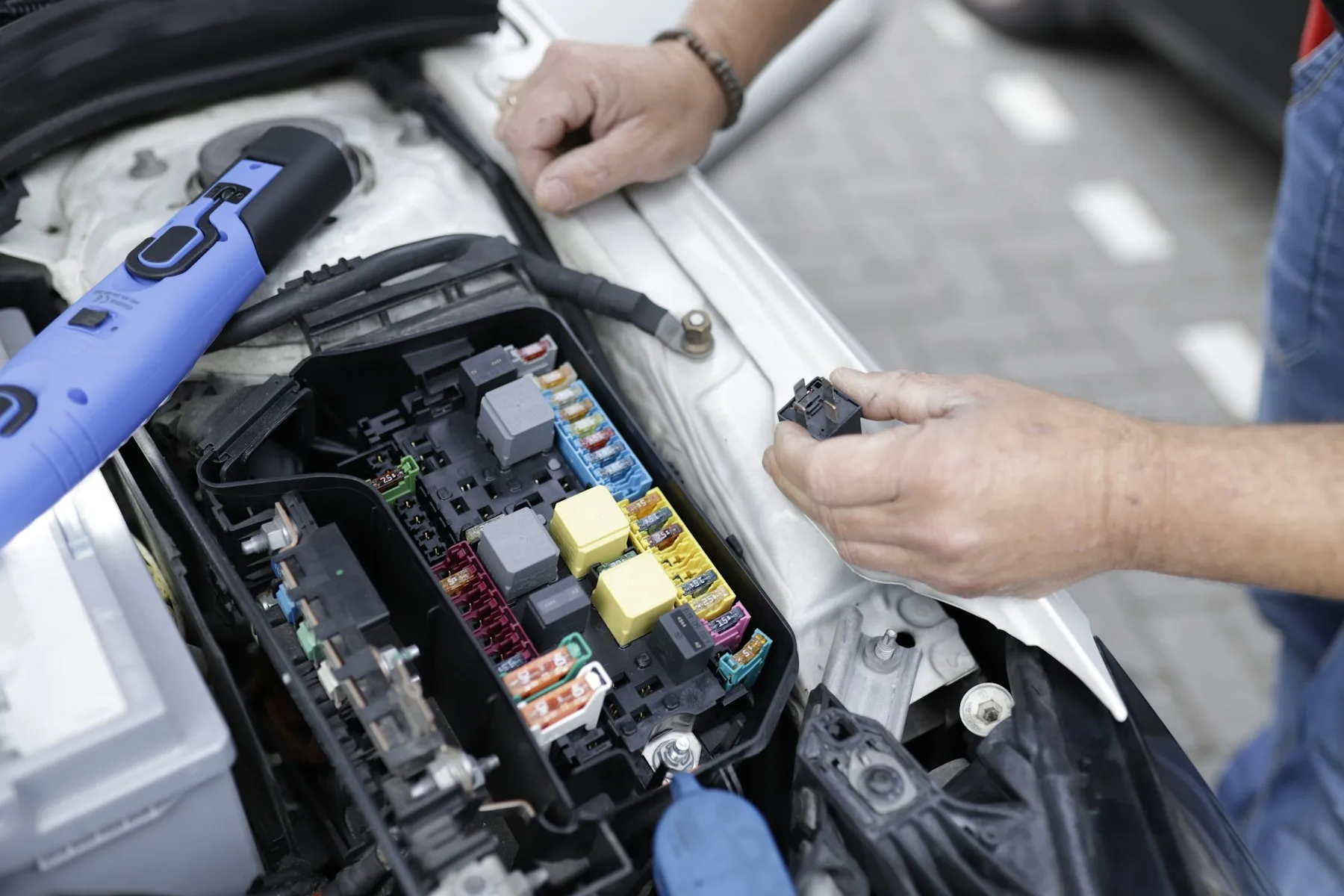
Golf cart turn signal kits: add-on signals, horns and brake lights
Your cart already has headlights and taillights, and the town wants signals, a brake light and a horn before it goes on the street. An add-on kit does that in an afternoon without redoing the wiring you have.
Best picks · 5 picksUpdated Nov 5, 2026
Guides (2)
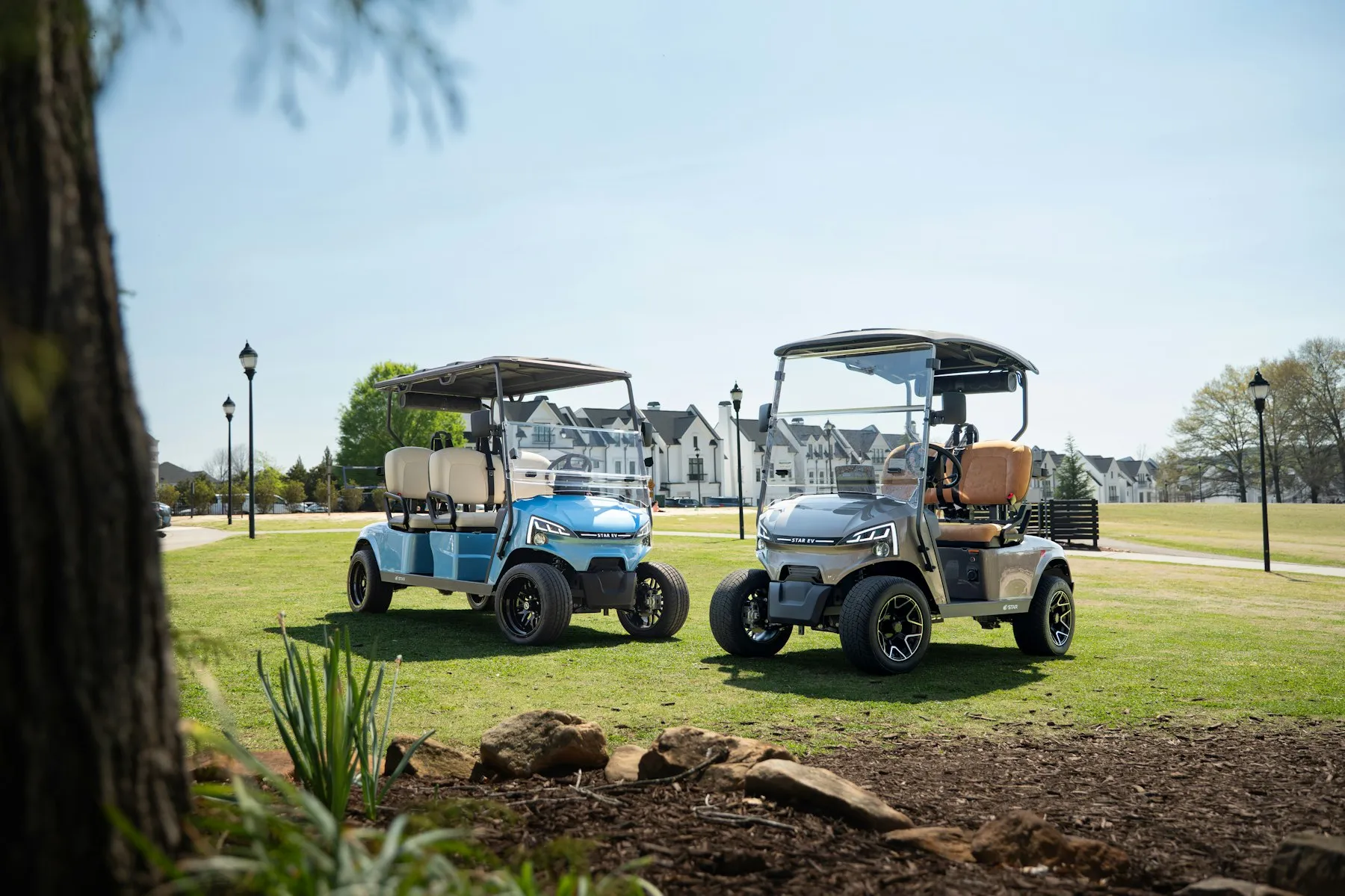
How to make a golf cart street legal: the equipment list and costs
In most of the US a golf cart becomes street legal one of two ways: your city or county passes an ordinance allowing carts on certain local roads with a short equipment list (usually lights, mirrors, a horn and reflectors), or the cart is built or converted to the federal low-speed vehicle standard (20 to 25 mph, 17-digit VIN, lights, signals, mirrors, seat belts, windshield, parking brake, reflectors) and titled and registered through the state. Check your local ordinance and state DMV before buying parts, because the list and the process are set there.
GuideUpdated Nov 5, 2026
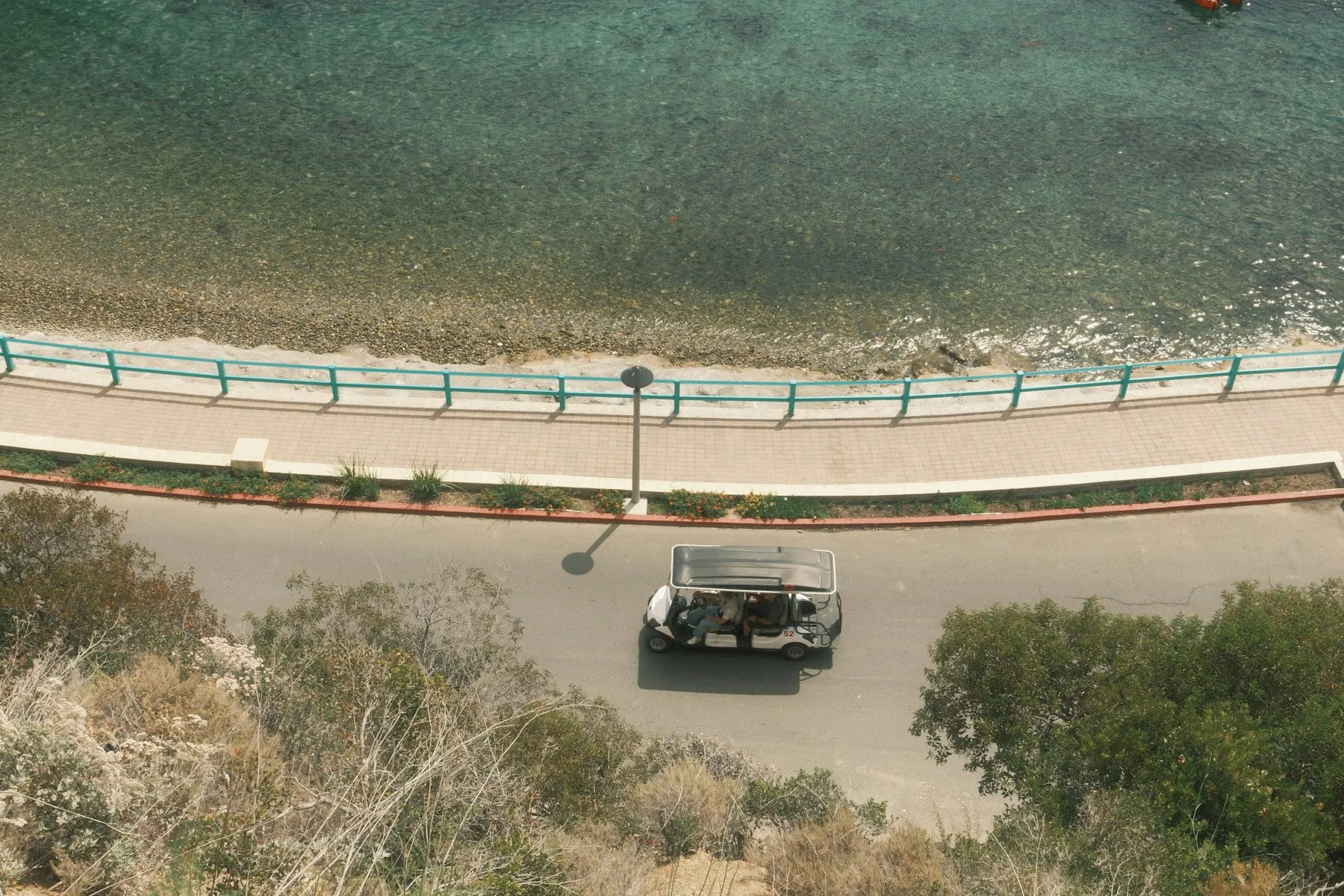
What is an LSV? Low speed vehicles vs golf carts, explained
An LSV, or low speed vehicle, is a federal vehicle class: four wheels, a top speed between 20 and 25 mph, a gross weight under 3,000 pounds, and a fixed list of equipment including headlamps, stop lamps, turn signals, taillamps, reflectors, mirrors, a parking brake, a windshield, seat belts and a VIN. A golf cart with all of that, built or converted to that speed and titled, is an LSV; a cart with lights but no title, or a top speed under 20 mph, is still a golf cart.
GuideUpdated Nov 5, 2026
Other categories
Get the fitment guide for your cart
One page with your cart's voltage, tire sizes, lift-kit family and the parts that fit it. We send it once, then a short note when a price or a part changes.
No spam, and we never sell your address. One-click unsubscribe.