How long does it take to charge a golf cart? Times by pack
Six to eight hours is the usual answer, and the real one depends on how far down the pack is, how big the charger is and whether you are charging lead or lithium. Here are the numbers, and the two habits that decide how long the batteries last.
We pick from published specs, maker instructions and what owners report. We may earn a commission from links on this page; it never changes what we recommend. How we choose
The short answer
A 48V flooded set run down to about half takes 6 to 8 hours on a standard 13-amp charger, and 10 to 12 hours from near empty; a 36V set on an 18 to 21-amp charger is similar. A 48V 105Ah lithium pack charges from empty in about 5 to 7 hours on its own 15 to 18-amp charger. Charge after every use, not when the gauge says to.
- A 48V flooded set run to half takes 6 to 8 hours on a 13-amp charger, and 10 to 12 from empty.
- A 48V 105Ah lithium pack charges from empty in about 5 to 7 hours on its own charger.
- Plug in after every drive and let the charger finish; cutting it short lets a flooded set sulfate.
- Lithium will not charge below about 32°F, so a cold garage needs a heated pack or an indoor charge.
Before you start
- Time
- Five minutes of your time; 6 to 12 hours on the charger
- Difficulty
- Easy
- Tools
- 3 items
Tools you'll need
- Nothing for a routine charge
- Digital multimeter to confirm a full charge (optional)
- Distilled water and a funnel for flooded sets
Parts
None beyond what you are installing.
Our picks at a glance
Prices are estimates as of Oct 17, 2026
- 1Best charger for 48V flooded setsLester Summit II 48VAny 48V or 36V cart; order with the plug that matches your receptacleabout$500–$700
- 2Best for mixed packs and storageNOCO Genius GX4820 48VAny 48V cart; comes with ring terminals and an SB50 plug, cart-specific adapters sold separatelyabout$400–$550
The picks in detail
1.Lester Summit II 48V
48V 13A (or 36V 18A), multiple battery profiles including lithium, equalize cycle, sold with Club Car, EZGO and Yamaha plugs
Fits: Any 48V or 36V cart; order with the plug that matches your receptacle
At Amazon. We may earn a commission.
Pros
- Profiles for flooded, AGM and lithium
- Runs an equalize cycle and shuts off properly
Cons
- Costs more than the NOCO
- Must be ordered with your cart's plug
Why we picked it
Lester built most of the factory chargers for the big three, and the Summit II is the one dealers sell as a replacement. It reads the pack, picks the right profile for flooded, AGM or lithium, runs an equalize cycle on flooded sets, and shuts off properly, which the old transformer chargers never did. 13 amps is the right size for a six-8V set; faster is not better for lead.
Before you buy: Buy it with the correct plug. Club Car round, EZGO PowerWise D-plug, EZGO RXV Delta-Q and Yamaha each differ.
2.NOCO Genius GX4820 48V
48V 20A, flooded, AGM and lithium profiles, repair mode, maintenance float
Fits: Any 48V cart; comes with ring terminals and an SB50 plug, cart-specific adapters sold separately
At Amazon. We may earn a commission.
Pros
- True float for winter storage
- 20A charges faster than the Lester
- Repair mode for a mildly sulfated set
Cons
- Cart plug adapter costs extra
- 48V carts only
Why we picked it
The GX4820 is the charger to own if you have one lithium cart and one flooded, or if the cart sits for months. It holds a flooded set on a true float all winter without boiling it, has a lithium profile, and a repair mode that helps a mildly sulfated set. 20 amps charges a flooded set in about two-thirds the time of the Lester.
Before you buy: It does not come with a cart plug. Budget $30 to $60 for the right adapter.
A 48V cart that has been driven around a community for a day and run down to about half takes 6 to 8 hours to charge on the 13-amp charger most of them came with. Run it to near empty and it is 10 to 12. Put it on a 20-amp charger and knock a third off either number. A lithium pack is faster still and does not mind being left part charged.
This part of the golf cart battery guides covers the two things you can control: how long the charge takes and how the habit affects the life of the set. If you are shopping for a charger, the charger guide lists them by plug type, and the battery calculator will tell you what a set that gets charged properly is worth against one that does not.
1. Know your pack and your charger
Charge time is amp-hours to put back, plus about 15 percent for losses, divided by charger amps, plus an hour or so of taper at the end. Lift the seat and count the batteries: six 8V is about 170Ah, four 12V about 150Ah, eight 6V about 225Ah. Then look at the charger label for the output amps. A Club Car PowerDrive or Lester 48V charger is 13 to 17 amps; EZGO PowerWise 36V chargers are about 21 amps; most lithium packs ship with a 15 to 18 amp charger.
| Pack | From about half | From near empty | On a 20A charger, from half |
|---|---|---|---|
| Six 8V, 170Ah, 13A charger | 7 to 8 hours | 11 to 12 hours | 5 hours |
| Four 12V, 150Ah, 13A charger | 6 to 7 hours | 10 to 11 hours | 4 to 5 hours |
| Eight 6V, 225Ah, 13A charger | 9 to 10 hours | 13 to 14 hours | 6 to 7 hours |
| Six 6V (36V), 225Ah, 21A charger | 6 to 7 hours | 9 to 10 hours | about the same |
| Lithium 48V 105Ah, 15 to 18A charger | 3 to 4 hours | 5 to 7 hours | 3 hours |
Flooded batteries cannot be rushed. A 13-amp charger on a six-8V set is roughly a 7-amp charge per 100Ah, which is about the ceiling Trojan recommends for long life. A bigger charger finishes sooner and gives the plates a harder life; a 20-amp unit is fine, a 40-amp car charger is not.
2. Plug in, every time you park
Park on a flat spot, key off, lights and stereo off. Plug the charger into the cart first, then into the wall. Most chargers click, pause for a few seconds while they read the pack, then start; a Club Car with an on-board computer will not start until the OBC gives the go-ahead, which is normal.
Do this after every drive, not when the gauge gets low. A flooded battery starts forming sulfate crystals on its plates as soon as it sits below full, and the longer it sits the less of that sulfate the next charge removes. Running a set from full to half every day and recharging each night is about 1,000 cycles from a good set. Running it to empty twice a week and letting it sit in between is about a third of that. Lead-acid has no memory; a 20-minute top-up after a two-mile drive does no harm at all.
3. Let the charger finish on its own
A proper charge runs in stages. Bulk, where the charger pushes its full amps and the pack voltage climbs to about 58 to 60 volts on a 48V set. Absorption, where the voltage holds and the current tapers as the plates fill, which is the slow last two hours that make up most of the time difference between a half charge and a full one. Then shut-off, or a float on the better chargers.
Unplugging at the first green light or when the fan goes quiet cuts the absorption stage, and a set that is only ever charged to 90 percent sulfates almost as fast as one that sits half charged. Leave it. Unplug the wall end first when it is done.
Flooded batteries gas during absorption, which is the fizzing you hear and the smell. Charge with the seat up or in a space with some air. If you smell rotten eggs, stop and read the last section.
4. Check the water after charging
Flooded sets only. Electrolyte expands as it charges, so water goes in after the charge, not before, unless the plates are exposed. Lift each cap and look. The level should sit about a quarter inch below the bottom of the fill well. Top up with distilled water only; tap water minerals coat the plates. A six-battery set in summer uses about a gallon a month. The maintenance page covers the full monthly routine, including the equalize cycle a flooded set wants once a month.
If a plate is dry before you charge, add just enough to cover it, charge, and then fill to the line.
5. Lithium is different
A lithium pack charges at full current until it is nearly full, then stops. There is no long taper, so a 105Ah pack on an 18-amp charger is done in 5 to 7 hours from empty and 3 to 4 from half. It does not sulfate, so leaving it at 60 percent for a month costs nothing. The one rule is temperature: the BMS will refuse a charge below about 32°F, so a cart in an unheated northern garage needs either a heated pack or an indoor charge. The lithium guide covers packs and chargers.
Use the lithium charger that came with the pack or a charger with a lithium profile. A flooded-profile charger pushes an equalize voltage that a lithium BMS will reject or, on older BMS units, not reject.
6. The Club Car Tow/Run switch
Club Car DS carts from 1995 and Precedents have a Tow/Run switch under the seat near the batteries. Club Car’s instruction is to put it in Tow before you disconnect any battery cable and whenever the cart is towed or stored for weeks; in Tow the controller is cut off from the pack and cannot be damaged by a loose cable or drain the set in storage. Switch back to Run to drive.
Charging works with the switch in either position on most carts. If a Club Car charger will not start, set the switch to Run, unplug and plug in again. The EZGO RXV and Yamaha Drive have a similar switch; the RXV’s must be in Tow to roll the cart with the power off, because its motor brake locks otherwise.
7. Winter and long storage
For a flooded set, charge to full, fill the water, clean the terminals, set the switch to Tow or pull the main negative, and store the cart somewhere dry. A charged flooded battery will not freeze until well below zero; a discharged one freezes around 20°F and cracks. Recharge every 30 to 60 days, or leave it on a charger with a true float mode, like the NOCO. Do not leave an old timer-style charger connected; it will boil the set dry.
For lithium, charge to about 50 to 60 percent, disconnect the charger and leave it. Check it once in the spring.
When to stop and call a shop
A battery that is hot to the touch, hissing hard, swollen or smelling of rotten eggs during a charge has a shorted cell. Unplug the charger, leave the seat up and do not drive it. A charger that runs for 16 hours and never shuts off has either a bad battery in the string or a bad charger; the testing page finds out which. A charger that will not start at all on a Club Car is usually the OBC, the receptacle or a fuse, and a shop will find it in half an hour. The fitment pages for Club Car, EZGO and Yamaha list the charger plug each model uses if yours has been replaced.
Questions owners ask
How long does it take to charge a golf cart from completely dead?
Ten to twelve hours for a 48V flooded set on a 13-amp charger, and a little longer for an eight-6V Yamaha set, which is a third bigger. A 105Ah lithium pack is 5 to 7 hours from empty. If a flooded set reads below about 42 volts for a 48V pack, some chargers will refuse to start, and you will need a manual charger or a shop to bring it up.
Should I charge my golf cart after every use?
Yes. A flooded battery starts to sulfate the moment it sits below full, and the longer it sits the harder the sulfate is to knock off. Lead-acid has no memory, so a short charge after a short drive costs nothing. Lithium does not care either way, but charging after use is still the habit that keeps the four-battery sets balanced.
Can I leave the golf cart plugged in all the time?
With a modern automatic charger, yes; it finishes, shuts off and tops up the pack when it drifts down. With an old transformer charger that runs until a timer stops it, no. Those will boil a flooded set dry over a few weeks. If your charger has no float or maintenance mode, unplug it when it finishes and plug it back in every two weeks.
Why will my Club Car not charge?
On Club Cars with the on-board computer, the OBC has to tell the charger to start. Check that the main negative cable passes through the OBC sensing ring, that the Tow/Run switch is in Run, and that the pack is above about 40 volts. Unplug the charger, wait a minute and plug in again. If the charger clicks and quits, the OBC may need a reset, which means disconnecting the pack for a few minutes with the switch in Tow.
How do I know the batteries are fully charged?
The charger shuts off. If you want proof, let the cart rest an hour and read the pack with a multimeter: about 50.5 to 51 volts for a 48V flooded set, 38 for a 36V set. A hydrometer reading of 1.265 to 1.280 in every cell is the surest sign of all.
Not sure it fits your cart?
Pick your make, model and year. We'll tell you the voltage and which parts fit.
Keep reading
All batteries guidesBest golf cart chargers by plug: Club Car, EZGO, Yamaha and lithium
A charger has to match three things: the voltage of the pack, the chemistry of the pack, and the plug on the side of the cart. Get one wrong and it either will not connect, will not finish, or will slowly cook a set of batteries. These are the chargers worth buying, sorted by the plug they fit.
Best picks · 7 picksUpdated Nov 5, 2026
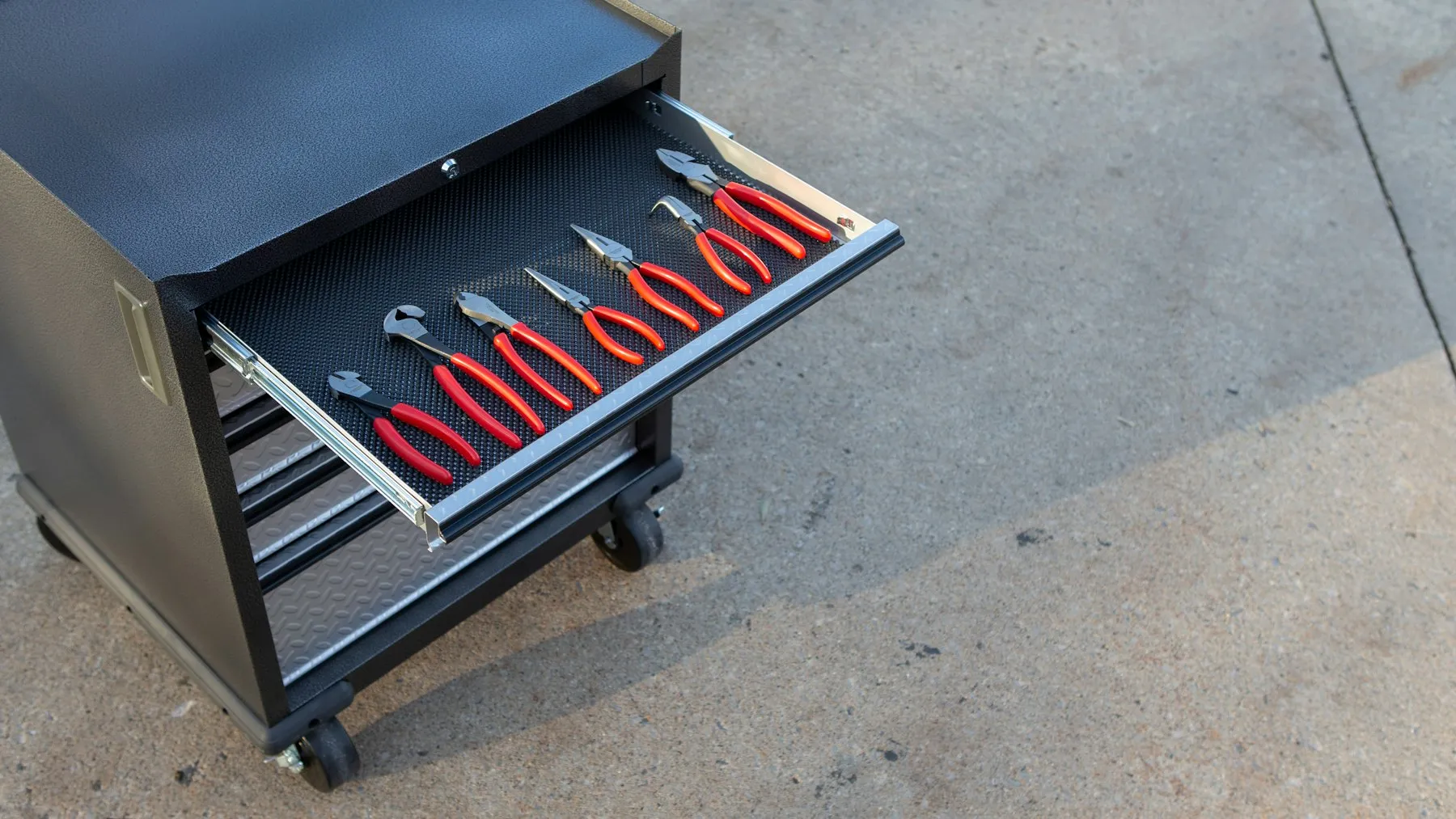
Golf cart battery maintenance: the monthly routine
Once a month, after a full charge, top each cell up with distilled water to about a quarter inch below the fill well, clean any crust off the terminals with baking soda and water, check that every cable lug is tight and bright, and run an equalize charge if your charger offers one. That routine is the difference between three years and six from a flooded set.
How-toUpdated Nov 5, 2026
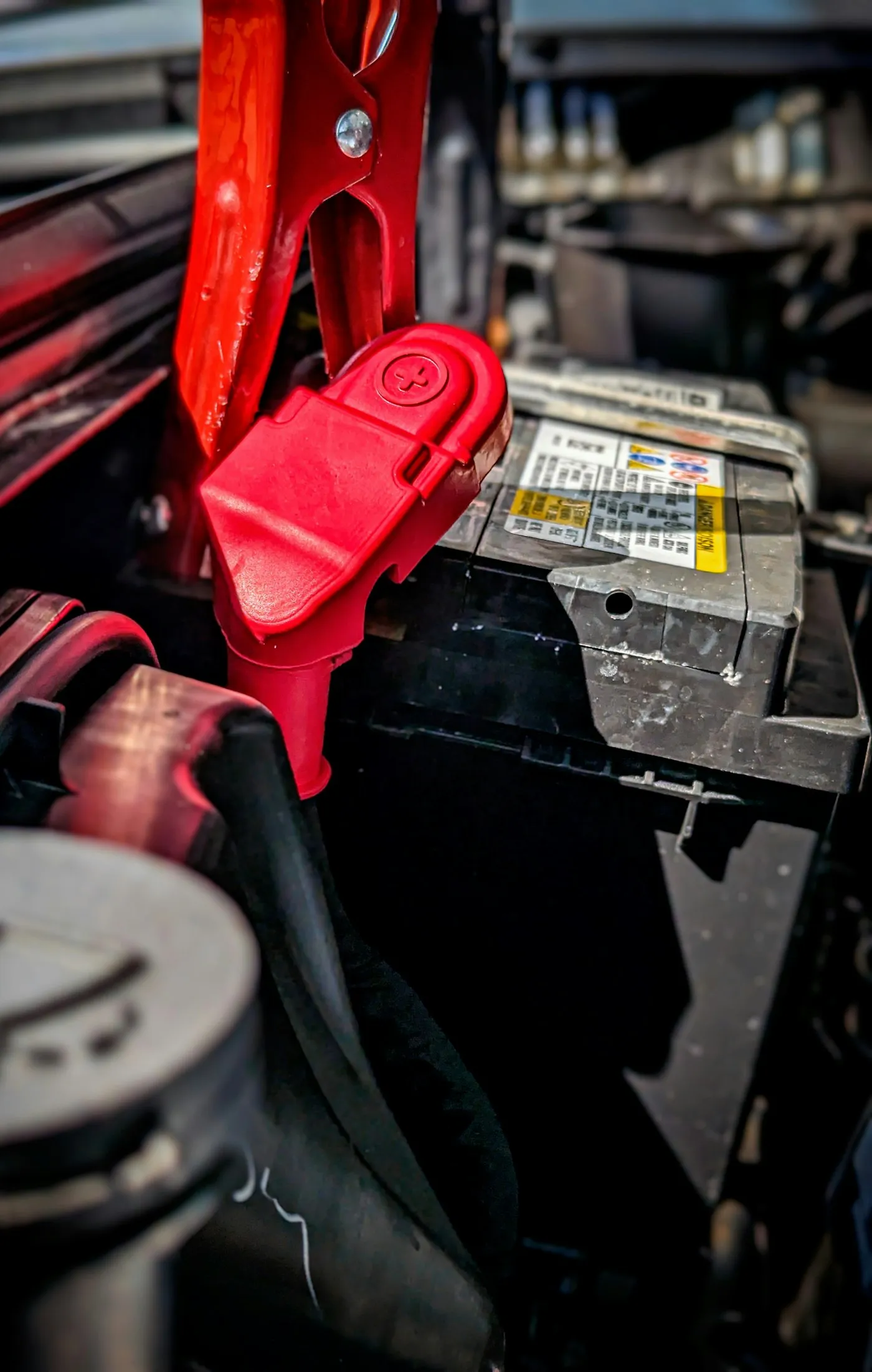
How to test golf cart batteries: multimeter, hydrometer, load test
Charge the pack fully, let it rest an hour, then read each battery with a multimeter: a 6V should show about 6.3V, an 8V about 8.4V, a 12V about 12.7V. A battery more than 0.3V below its neighbors is the suspect. Confirm with a hydrometer (flooded) or a load tester before you buy anything.
How-toUpdated Nov 5, 2026